I don’t know how much I should push myself.
Integrative mind-body pain support
A clearer way forward with persistent pain.
Persistent pain is physical—but it is never disconnected from what you think, feel and experience. Together, we make sense of how your mind and body influence one another, then turn that understanding into practical change.
Mind and body, understood together · Free first exploratory session · No compulsory packages
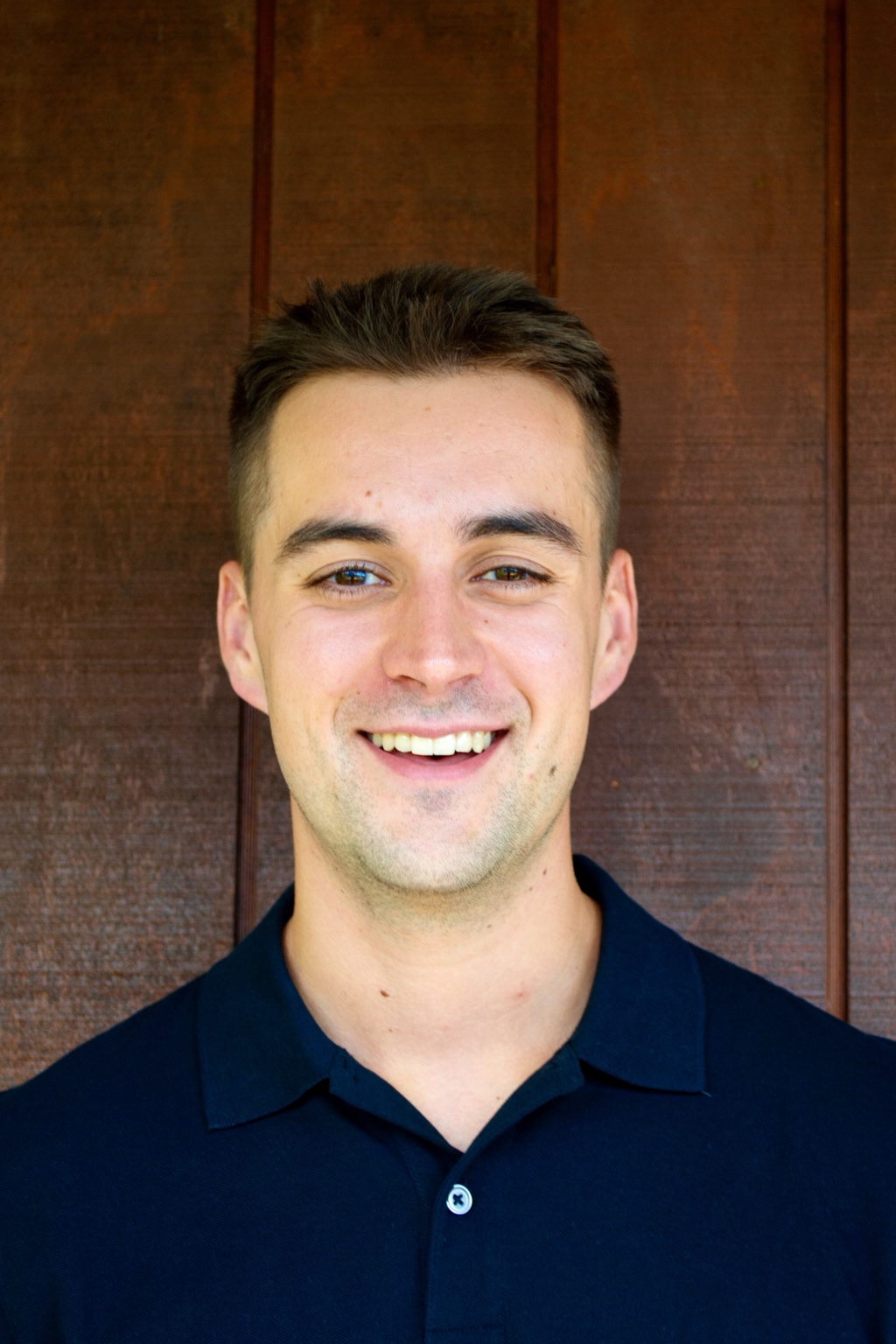
George Scott
BSc (Hons) Physiotherapy
First session freeto make sure the fit is right
Gold Coastand online Australia-wide
01
Your pain is realMind-body care never means “it’s all in your head.”
02
It works both waysThe mind affects the body; the body affects the mind.
03
Patterns can changeUnderstanding creates more choice in everyday life.
04
You stay involvedWe work with you, not simply on you.
Does this sound familiar?
You’ve worked on the pain. But the same patterns keep returning.
You may have tried treatment, exercise or rest and still feel stuck. That can happen when care focuses on the painful body part but misses how fear, stress, emotions and past experiences are affecting the body—and how pain is affecting the way you think, feel and live.
The first step is not always doing more. It is understanding the connection more clearly.
I understand what I should do, but I keep falling into the same patterns.
I don’t trust my body anymore.
I do too much on a good day and crash afterwards.
Stress and emotions seem to affect my body, but no one joins the dots.
I want more of my life back—not another quick fix.
The mind-body connection
Pain is physical. Mind and body still influence each other.
Thoughts, emotions, stress and past experiences can influence tension, sensitivity, movement and the nervous system. At the same time, pain and physical limitation can affect mood, confidence, attention and behaviour.
This is not about choosing a physical or psychological explanation. It is about understanding both directions of the same experience. Movement may be part of the work, but it is one tool among many—not the automatic answer.
What we may work on →This is not centred around…
- × Treating the body as separate from the mind
- × Passive treatment as the main answer
- × Exercise as the automatic answer
- × A promise to “fix” or cure you
It is built around…
- ✓ Understanding mind and body together
- ✓ Recognising patterns with curiosity
- ✓ Education, reflection and active change
- ✓ Practical support for your real life
One connected experience
The mind–body connection works in both directions.
The aim is to understand your particular feedback loops: what increases pain or protection, what helps you feel safer and more capable, and where change is realistically possible.
What you think, feel and expect
Emotions, beliefs, attention, fear, stress and previous experiences can shape how the body responds and what feels safe.
What you sense and physically experience
Pain, fatigue, tension, movement, sensitivity and physical health can shape mood, confidence, attention and behaviour.
Your wider life matters too. Sleep, work, relationships, routines and daily pressures can affect both sides of this connection. We bring them in when they are relevant—not as another checklist to complete.
What we may work on
Understand the connection. Change the pattern.
There is no fixed protocol. We use conversation, education, reflection, practical experiments and physical work to help your mind and body move in a more helpful direction together.
Thoughts & emotions
Noticing how worry, frustration, fear, self-pressure and emotional patterns interact with your body and choices.
Nervous system & safety
Understanding protective responses and building a steadier, safer relationship with sensations and movement.
Movement & physical health
Using movement, strength and physical assessment when they genuinely support the bigger plan.
Stress, sleep & energy
Exploring the rhythms and demands that shape recovery, fatigue, flare-ups and capacity.
Habits & behaviour
Recognising avoidance, boom-and-bust cycles and other patterns, then practising realistic alternatives.
Meaningful life change
Reconnect with the relationships, roles, activities and parts of yourself that matter beyond pain.
What happens next
Clear expectations from the beginning.
Good fit matters. Your first exploratory session is free, so we can both decide whether working together feels right before you commit to ongoing care.
Ask George a questionStart with a short message
Tell George a little about what you’re dealing with and whether you prefer online or in-person care. Avoid sending highly sensitive medical information through WhatsApp.
Have a free exploratory session
We’ll talk about what you’re looking for, how the service works and whether the fit feels right on both sides. There is no fee and no obligation to continue.
Choose honestly
If this is not the right service, George will say so and may suggest a more suitable next step. The free session is an exploratory conversation—not a full assessment or treatment appointment.
Continue only if it feels useful
If you both decide to proceed, every session after the exploratory session is 60 minutes and costs $150 AUD. Sessions are booked individually, with no compulsory package.
Appointments & fees
Values first. Clear fees. No surprises.
Start hereFirst session
Free exploratory session
$0 AUD
A relaxed conversation to understand what you are looking for, explain the approach and make sure the fit feels right for both of us.
- Share what you hope could change
- Ask questions about the service
- Decide without pressure or obligation
This is a genuine, no-cost fit check. It is not a comprehensive assessment or treatment appointment.
Ask about your free first sessionIf we continue60 minutes
Ongoing sessions
$150 AUD
Focused work on the priorities identified together, with enough time to explore, practise, reflect, adapt and progress.
- Reflection, education and behaviour change
- Movement, pacing or flare-up planning when useful
- Review of meaningful real-life progress
Every session after the free exploratory session is $150 AUD for 60 minutes. Sessions are booked individually; there is no compulsory package or commitment.
Who this may be right for
People living with persistent or recurring pain.
- Persistent or chronic low-back pain.
- Fibromyalgia or widespread pain.
- Ongoing neck, shoulder, hip or other musculoskeletal pain.
- Pain that has continued after an injury, surgery or previous treatment.
- Complex or fluctuating symptoms affected by stress, emotions, sleep or daily demands.
- Feeling stuck in fear, avoidance or boom-and-bust cycles despite trying to help yourself.
You do not need a particular diagnosis. What matters is that the problem has persisted and you are open to understanding how your mind and body may be influencing one another.
It may not be the right fit if…
You’re mainly looking for a quick fix or passive treatment.
- You primarily want massage, manipulation or dry needling.
- You need urgent medical assessment for new or worsening symptoms.
- You’re seeking psychology, psychotherapy or crisis support.
- You expect a guaranteed cure or a fixed recovery timeline.
- You want someone else to “fix” you without active involvement.
If the service isn’t suitable, George will be clear about that and discuss a more appropriate next step where possible.
PhysiotherapistBSc (Hons), Cardiff University
About George
I help people understand the link between mind and body.
My role is broader than handing out exercises. I bring together physiotherapy, pain education, behaviour change, therapeutic communication and coaching-style support.
I graduated with a BSc (Hons) in Physiotherapy from Cardiff University and began my career in the UK NHS. After moving to the Gold Coast, I continued working across musculoskeletal rehabilitation, hydrotherapy, chronic pain education and multidisciplinary persistent-pain care.
Over time, I saw that focusing only on tissues, strength or movement often missed an important part of persistent pain: how emotion, stress, beliefs and previous experiences can shape the body—and how pain can shape confidence, mood, choices and everyday life.
My approach is to slow down, listen properly and help you recognise those mind-body patterns. I’m also undertaking formal counselling study, which is deepening the communication and reflective skills I bring to this work. Holistic Pain Therapy is delivered within my current scope as a physiotherapist; it is not a separate counselling, psychology or psychotherapy service.
Clinical backgroundUK NHS · Australian private pain care · MSK and rehabilitation · Hydrotherapy · Pain education
Professional focusPersistent pain · Mind-body connection · Behaviour change · Pain education · Active rehabilitation
Away from work
Movement has always been a major part of my life—from youth water polo with Team GB to completing Ironman Bolton and the Manchester Marathon. These days I enjoy strength training, running, time outdoors on the Gold Coast, making music and continuing to learn about people and behaviour.
Common questions
Before you get in touch.
If you’re still unsure whether the service fits, send George a short message. You don’t need to decide alone.
What kind of service is this?+
Holistic Pain Therapy is delivered within George’s professional scope as a registered physiotherapist, but it is intentionally broader than a conventional physio appointment. It helps you understand how thoughts, emotions and experiences interact with pain, movement and physical health, then use that understanding to make practical changes.
Are you saying my pain is psychological?+
No. Pain is real. Mind-body care recognises that thoughts, emotions and stress can influence the nervous system and physical experience—and that pain and physical health can equally affect mood, confidence and behaviour. The relationship works in both directions.
Is this counselling or psychology?+
No. George uses skilled therapeutic communication and is undertaking counselling study, but Holistic Pain Therapy is not a separate counselling, psychology or psychotherapy service. Referral or collaboration will be discussed when those services are needed.
Will you examine me or give me exercises?+
Possibly, when it adds something useful. An appointment may include movement, functional or physical assessment and individual exercise, but these are tools rather than the default centre of the service.
What happens in the free exploratory session?+
It is a no-cost, no-obligation conversation to understand what you are looking for, explain how George works and decide whether the fit feels right on both sides. It is not a comprehensive assessment or treatment session. If you choose to continue, every session after that is 60 minutes and costs $150 AUD.
How many sessions will I need?+
There is no fixed number. After the free exploratory session, you can decide whether you want to continue. Some people mainly need one or two paid sessions for clarity and a plan; others benefit from support over a longer period. Recommendations are based on need and preference, not a compulsory package.
Can you guarantee my pain will improve?+
No ethical practitioner can guarantee a particular outcome. George offers an individual assessment, professional guidance and a collaborative process directed toward the outcomes that matter to you.
Do I need a referral?+
A referral is not usually required for private physiotherapy. Particular funding or rebate arrangements may have separate requirements. Seek medical assessment first for new, severe, rapidly worsening or concerning symptoms.
Start with a conversation
See if working together feels right.
Send George a short message about where you feel stuck—physically, emotionally or in everyday life—and whether you prefer online or in-person care. Your first exploratory session is free, with no obligation. If you both decide to continue, sessions are $150 AUD for 60 minutes.
1
Keep it briefA few sentences are enough to start.
2
No pressureAn enquiry doesn’t commit you to booking.
3
Expect clarityIf another service fits better, George will say so.